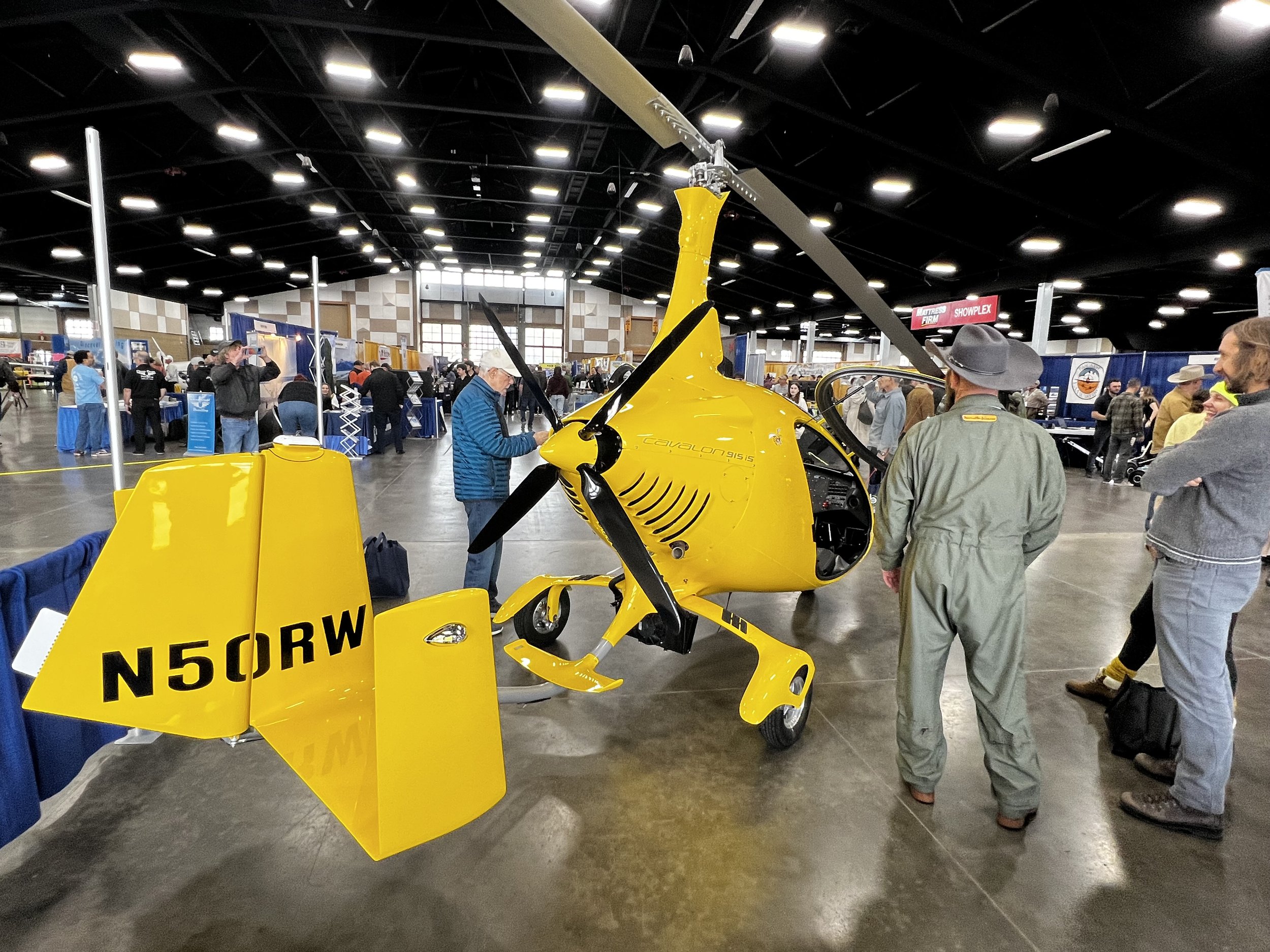
For over three decades the Washington Aviation Association has been pleased to present the Northwest Aviation Conference & Trade Show at the Washington State Fair Events Center in Puyallup, Washington.
This event has grown to over 75 hours of safety seminars and 122,000 sf of aviation displays with an annual attendance of over 10,000!
This event is an opportunity to support the Northwest aviation industry, share ideas, learn new skills, be a safer pilot and create relationships with businesses, aircraft owners, and pilots.
PRELIMINARY 2026 SCHEDULE
SATURDAY:
8:00 AM Room C | Founders
High Performance Brake and Wheels
Billy James, Beringer Aero | maintenance seminar open to all attendees, registration required for certification.
This IA Refresher Course introduces Beringer Aero’s background, products, and manufacturing, with a focus on wheels, brakes, and hydraulic systems. The seminar also reviews technical publications, service bulletins, and common troubleshooting practices to support safe and compliant maintenance.
9:00 AM | Room C | Founders
Assessing Alterations for Avionics Installations in Legacy GA Aircraft
Lyle Jansma, Six Pack Aero
An overview of some of the considerations involved with installing today’s modern avionics. With outdated guidance and ever evolving technology and avionics form factors, there are several considerations regarding whether alterations required to fit desired avionics upgrades are major or minor. Lyle will walk through the existing guidance, review industry standard references for decision making, and look at who ultimately is responsible for ensuring that avionics installations are completed in a manner that leaves the aircraft airworthy and, most importantly, safe for those who fly them. Six Pack Aero is a FAA Part 145 Repair Station specializing in avionics and airframe upgrades on legacy Cessna aircraft.
9:30 AM
9:30 | KEYNOTE STAGE
Pilot Seminar: Top Tips For Mountain Flying Philip Mandel, speaker, commercial, instrument, CFI, Portland FSDO FAASTeam Representative of the Year
After flying into or over almost every state in the lower forty-eight, Philip has learned a thing or two about mountain flying. Let's benefit from Philip's experience and hear his top tips so we can marvel at the stunning scenery below, whilst always being ready for "what if..."
9:30 | South Foyer
Introduction to Aviation Careers (Career Forum Session)
John Swedburg, Big Bend Community College
This engaging session guides students, parents, and those new to aviation through the many pathways available in today’s aviation industry. Participants will explore how to get from point A to points B, C, or D—no matter what their aviation dreams may be. Hear firsthand from industry professionals as they share their personal “how I got there” stories, offering practical insight into training options, career decisions, and next steps. Attendees will leave with key questions answered—and the tools and resources needed to ask the right ones as they design an aviation path aligned with their individual goals. John Swedburg has been an active flight instructor since 1974. He retired in 2014 from full-time instruction in the Commercial Pilot Flight Training Program at Big Bend Community College but continues to share his passion for aviation education through outreach events, including managing and presenting at the Northwest Aviation Career Forum each year. John holds ATP (SMEL), Commercial (SES), CFI-A/SME/I, Advanced and Instrument Ground Instructor certificates, and a Part 107 Remote Pilot certificate. With over 16,000 hours of flight instruction given, he has taught at 58 FAA-approved FIRCs in the Seattle area. His career includes roles as Flight Instructor, Ground Instructor, Chief Flight Instructor, Aviation Division Chairman, Airman Certification Representative, Aviation Safety Counselor, and FAASTeam Representative. (career)
9:30 | Heritage Room
Latest & Greatest from Garmin
Wayne McGhee, Garmin International
9:30 | Pioneer Room
Colored Charts and a Little Green Book
Stephen (Steve) Bateman, CFI. Chocks Away Aviation, LLC.
We’ve gained a great deal from the use of Electronic Flight Bags (EFB) in terms of convenience and portability, but I speculate that many users have ether forgotten, and some never knew, the foundational elements of aeronautical charts and the contents of the best kept secret of all, the Chart Supplement booklets.
SAT 9:30 | North Foyer
Building and Flying the Turbine Goose
Doug DeVries, pilot, mechanic, adventurer, and author.
This session highlights the ten-year build of the McKinnon Super Goose that went on to win the 2021 Oshkosh Grand Champion award. After building the Goose, follow the adventures of the team as they tackle the north Atlantic to Iceland and beyond.
10:15 AM Room C | Founders
Logbook Do's & Dont's - Notes from the Field"
Jon McLaughlin, CEO, TBX (Airworthy.com) | maintenance seminar open to all attendees, registration required for certification.
10:30 AM
10:30 | KEYNOTE STAGE
A Different Approach to Autopilot Training and Use
Bruce Williams, aviation author, CFII, FAASTeam, owner, BruceAir, LLC, bruceair.com
Many pilots have upgraded old autopilots or installed new flight control systems during avionics upgrades. But the way we learn to use autopilots and flight directors—especially in the GA world—doesn't prepare pilots to use these tools effectively. Indeed, we often overlook the role flight control systems can play in modern IFR training. Join me for a fresh look at how to incorporate autopilots and flight directors in training and everyday use.
10:30 | Heritage Room
The Immense value of Upset Recovery Training (UPRT)
Mike "Cuckoo" Kloch, Chief Instructor Pilot, Specialized Aero Works
Mike will discuss what UPRT is, the incredible value gained from this training, for all pilots, provide some accident statistics, upset causes with examples, UPRT value for aircraft builders, and provide some guidelines for maintaining control of your airplane. Mike is the owner and Chief Instructor Pilot at Specialized Aero Works, where he teaches UPRT, aerobatics, formations flying, and more. He is a contract test pilot and instructor for Stratos Aircraft, Epic Aircraft, and individual builders. Mike is a 3-time Master CFI - Aerobatic (MCFI-A), a former Marine Corps F/A-18 pilot, combat veteran, and school trained Aviation Safety Officer (Naval Postgraduate School). He is also an FAA Safety Team (FAAST) Representative.
10:30 | North Foyer
Mission in Motion: How Volunteer Flying Connects Patients to Care
Ricardo Lagos & Trevor Moody, Command Pilots, Angel Flight West
Volunteer pilots with Angel Flight West provide free transport for people in need across the western twelve states including Alaska and Hawaii. PNW is a particularly busy region for Angel Flight West in part due to major healthcare facilities in Seattle. Approximately 1000 missions are flown each year in WA alone. In this seminar you will learn what it’s like to fly with Angel Flight West, how to sign up for missions and how it will make you a better pilot!
10:30 | Pioneer Room
Pilot VFR Refresher Workshop (until 1:30 PM)
Curt Scott, Scott Consulting/Scott Aviation, pilot, former Professor of Aviation, Green River College
Feeling like your flying skills could use a refresher? Veteran pilot, Curt Scott will help you brush off the dust! With over 5000 hours teaching flying and flying in the Northwest, Curt’s fast-paced dynamic presentation on VFR flying basics covers weather, charts, airport approach, landing, checklists and much more to make you a more confident pilot. Scott has 40 plus years working in aviation, with special focus on developing and delivering education programs covering Operations, Logistics, Planning, Reorganization and Training. Limited seating in this VFR Pilot refresher clinic. There is no additional charge beyond admission costs but we encourage you to register online. registering online will also purchase TWO DAY admission to the event.
11:30 AM Founders Room | Tire Maintenance and Aircraft Safety (MAINTENANCE)
Randy Hedrick, Customer Support Engineer, Michelin Aircraft Tire | maintenance seminar open to all attendees, registration required for certification.
11:45 AM
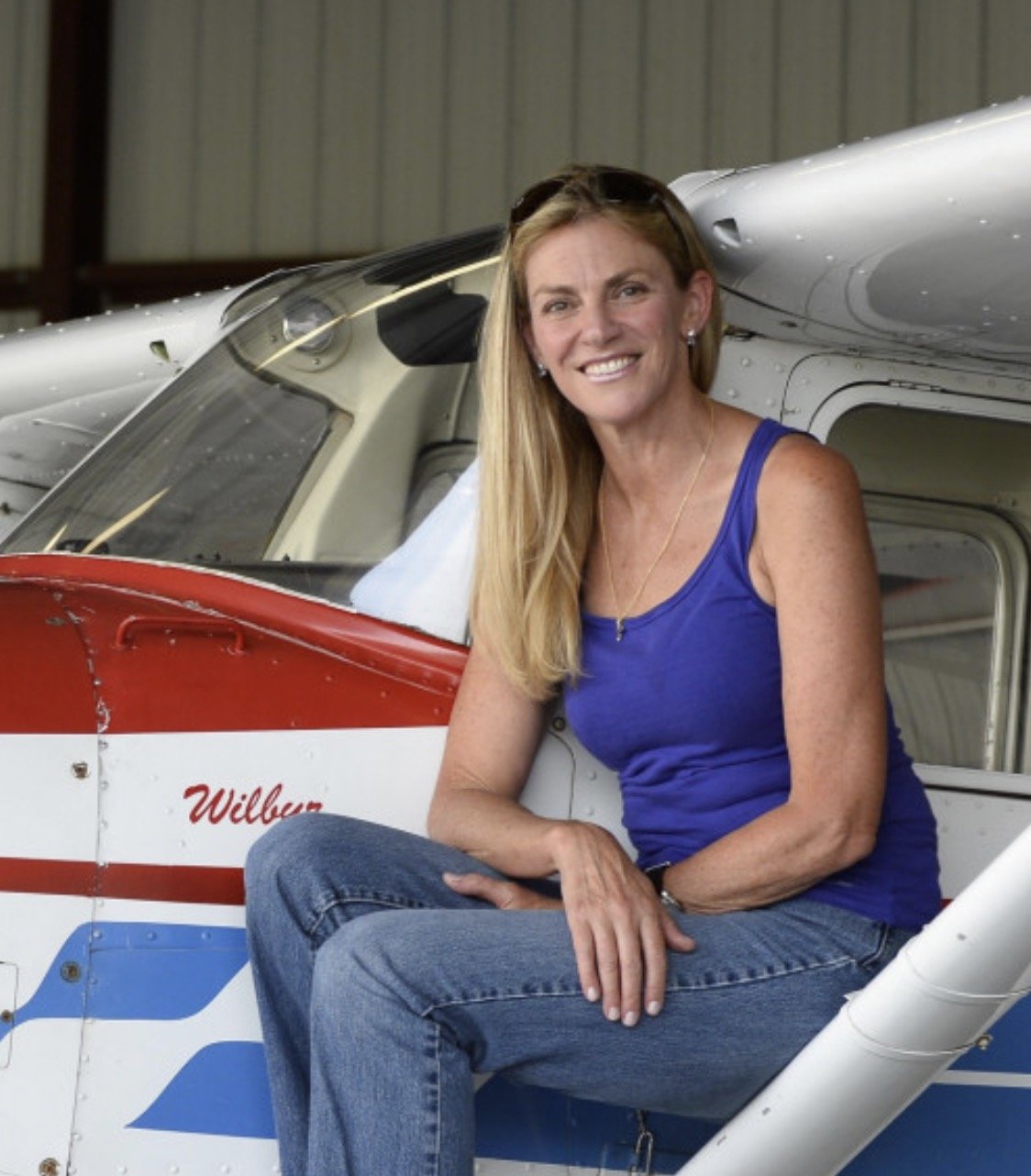
“A lot of pilots are afraid of stalls and spins. To me, it’s a challenge.
In a safe, controlled environment, I take people over the edge so they know what the edge looks like.”
Catherine Cavagnaro
2026 Keynote speaker
11:45 | KEYNOTE STAGE
Avoiding Loss of Control | Catherine Cavagnaro, CFI-I, ATP, DPE, Ph.D., Owner, Ace Aerobatic School
Catherine will discuss common ways pilots run into trouble in the pattern and offers tips for recovery and avoiding loss of control. Topics of discussion include pilot-induced oscillations, wake turbulence upsets, and stalls at low altitudes. Cavagnaro’s specialty is training pilots to recover from dangerous flight conditions, particularly aerodynamic stalls, when an aircraft’s wings stop providing lift because they’ve been angled too steeply. After an airplane experiences a stall, it goes into a spin—corkscrewing toward the ground—and that’s where Cavagnaro comes in, teaching pilots the techniques necessary to right their aircraft and live to fly another day. Pilots from all over the world —including military pilots, airline pilots, and flight test pilots—come to train with Cavagnaro in Sewanee.
“A lot of pilots are afraid of stalls and spins,” says Cavagnaro. “To me, it’s a challenge, and it’s something that I love doing. I can take someone in a matter of a day or two and get them completely comfortable with stalls and spins. In a safe, controlled environment, I take people over the edge so they know what the edge looks like.”
11:45 | Heritage Room
How to Preflight Your Flight Physical
Dr. Rachael Ferraro, MD, FAA AME, AviateMedical.com
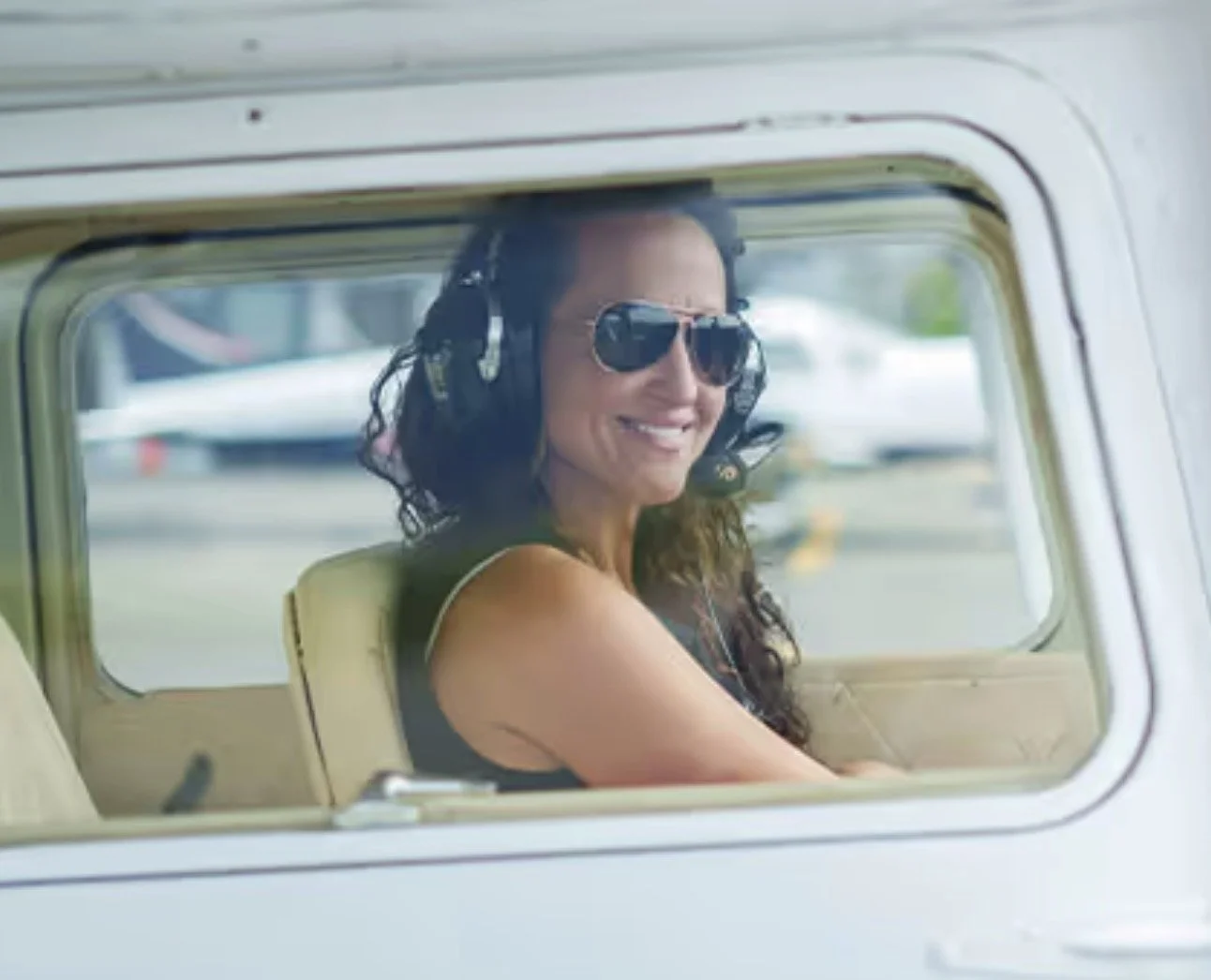
Photo: AviateMedical.com
Approach your FAA flight physical with the same care and precision you bring to your preflight checklist. In this informative seminar, Dr. Rachael Ferraro will walk pilots through practical preparation strategies, common pitfalls to avoid, and lifestyle habits that can help you stay medically ready to fly—now and for the long term. With more than 20 years of experience in patient care, Dr. Ferraro is a Board-Certified Internal Medicine physician and Senior FAA Aviation Medical Examiner. She is widely respected as a trusted advocate for pilots’ health. Aviate Medical was founded from her deep connection to the aviation community and her commitment to being “the pilots’ AME.” Dr. Ferraro’s path into aviation medicine is deeply personal. After years of hearing her husband and fellow pilots express anxiety about FAA medical exams, she recognized how fear and misinformation often lead pilots to delay or avoid care—sometimes with serious consequences. Many pilots worry that seeing an AME could end their flying careers, when in reality, numerous medical conditions can be safely managed through the FAA’s special issuance process. This seminar is designed to replace fear with knowledge, empower pilots to take charge of their health, and help ensure that medical concerns never stand in the way of safe, confident flying.
11:45 | North Foyer
Washington Pilots Association (WPA) General Meeting and Luncheon
11:45 | South Foyer
Career Panel: Overview of job opportunities in aviation
Jeff Slakey, Moderator
In addition to commercial airlines, various other entities such as corporations, charitable organizations, fire fighting services, medical transport services, bush pilots, tourism sectors, and numerous government agencies all rely on the expertise of skilled pilots and passionate aviation enthusiasts to function in their respective roles. In our efforts to provide deeper insights, we’ve reached out to our exhibitors to gather a comprehensive overview of career perspectives. We asked them to share their stories and insights regarding how they navigated their unique paths to achieve success in the aviation industry. Bring your questions and prepare to engage in stimulating discussions!
1:00 PM
1:00 | KEYNOTE STAGE
AOPA Pilot Town Hall
Kollin Stagnate, Aircraft Owners and Pilots Association (AOPA) SVP
Update on the current trends and issues facing general aviation in the region and across the country, including airport issues, the transition to unleaded fuel, and what a changing political landscape could mean for GA. Open to ALL! Senior Vice President of Media Kollin Stagnito is a commercial pilot, advanced and instrument ground instructor and a certificated remote pilot. He owns a 1953 Cessna 170B.
1:00 | Heritage Room
Doing Weather Better | Philip Mandel, speaker, commercial, instrument, CFI
An enlightening session on one of the FAA’s most overlooked yet essential resources: Aviation Weather Handbook. This comprehensive guide explains weather theory, aviation weather hazards, and the full range of U.S. aviation weather products and services. Whether you’re a student pilot or seasoned aviator, you’ll gain practical insights to become more weather-wise -- because we always fly in some kind of weather.
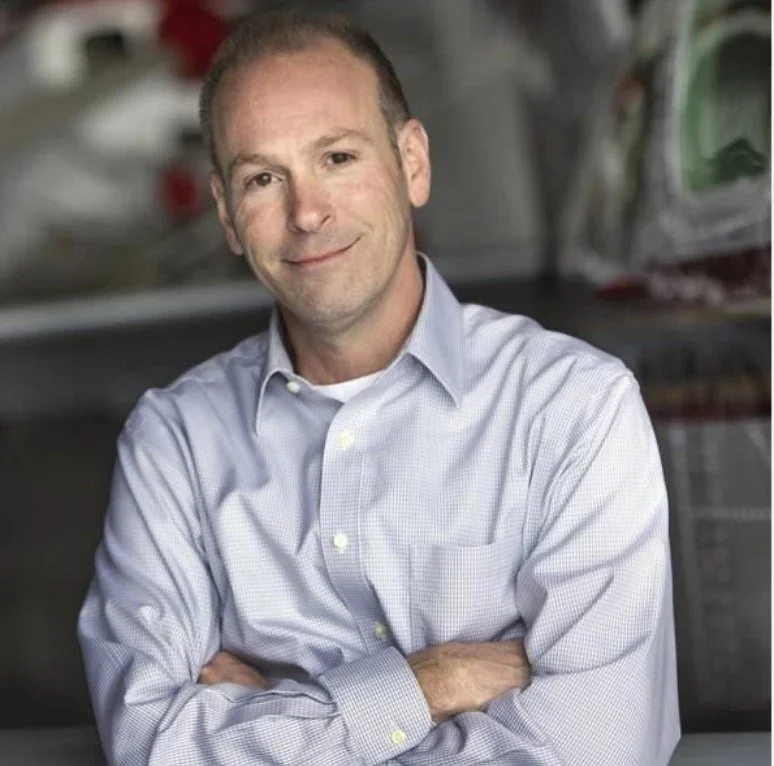

1:00 | South Foyer
Aviation Careers: Engineering Projects & Professional Success
Luke Zollinger, P.E.
Are you interested in an engineering career in aviation? This presentation will cover how to guide your career trajectory in engineering and demonstrate interesting work and exciting projects. You’ll leave with a new understanding of how engineers solve complex problems and find clever solutions to real-world problems. Take your career to a new flight level and aim for a higher cruising altitude!
SAT 1:00 | North Foyer
Aleutian Adventure - Exploring WW II in the Aleutian Islands
Doug DeVries, pilot, mechanic, adventurer, and author
In 2022, Doug DeVries and his team flew the Turbine Super Goose on a three thousand mile trip to the far western tip of the Aleutian Island chain. Follow the adventures of the team as they tackle some of the toughest flying in the world, and explore the WW II battles to expel the Japanese from the chain.
1:30 PM Room C | Founders
Nose Gear Shimmy: Causes, Prevention, and Effective Solutions
John Cowan, Business Development, McFarlane Aviation, LLC
Maintenance seminar open to all attendees, registration required for certification.’
2:15 PM
2:15 | KEYNOTE STAGE
Mosaic Light Sport Update
Joe Mollohan, FAASTEAM Program Manager
The FAA’s Modernization of Special Airworthiness Certification (MOSAIC) represents a significant evolution of the Light-Sport aircraft framework, expanding opportunities for innovation while maintaining a strong focus on safety. This presentation provides an overview of the proposed MOSAIC changes, including updates to aircraft eligibility, pilot privileges, and certification pathways. Attendees will gain insight into the intent of the rulemaking, its anticipated impact on the aviation community, and what stakeholders can expect as the FAA moves toward implementation.
2:15 | Heritage Room
Flying to Historic Pearson Field: Part 93 SFRA Operations
Brig Williams — Professional educator, FAASTeam Representative, active CFI at Pearson Field (KVUO), Vice Chair of the Aviation Advisory Committee, and a passionate advocate for general aviation.
Richard Kennington — Former Portland International Airport (PDX) Tower Controller and contributor to the 2012 Safety Risk Management Panel that established the SFRA for Pearson Field.
Located in close proximity to Portland International Airport (PDX), Pearson Field (KVUO) operates under a Part 93 Special Flight Rules Area (SFRA), creating unique considerations for both arrivals and departures. This session explains how standardized procedures—aligned with KVUO’s special flight rules—enhance safety and operational efficiency in this complex airspace. Attendees will learn how to locate and interpret the appropriate preflight information, properly brief and execute SFRA procedures, and apply essential local knowledge to confidently operate at one of the nation’s oldest continuously operating airports. The seminar also highlights Pearson Field’s historical significance as the home of the Pearson Air Museum, situated within the Fort Vancouver National Historic Reserve.
2:15 | North Foyer
An In-Depth Overview of Idaho’s New Passport Program and Backcountry Flying
Andrew George, Idaho Aviation Association
This session provides a comprehensive introduction to Idaho’s new aviation passport program and the unique opportunities it offers pilots seeking to explore the state’s diverse backcountry destinations. Participants will be guided on a virtual journey across Idaho, highlighting the wide range of flying experiences that challenge skills while showcasing the state’s remarkable landscapes. Drawing on local experience, the presenters will share practical insights on backcountry operations, including airport access, accommodations, and hard-earned safety lessons from flying in mountainous terrain. The seminar is designed to give visiting pilots the benefit of local knowledge—helping them plan safer, more rewarding trips into Idaho. Key topics include an overview of the Passport Program, mountain weather considerations, operational safety concerns, and a focused look at three high-traffic backcountry locations pilots are most likely to encounter.
2:15 | Pioneer Room
Puget Sound Aerospace and Deviation Hotspots
Tom Rogers, CFI, FAA Safety Team representative
Examine common altitude, airspace, and procedural deviations in the Puget Sound region.
2:30 PM Room C | Founders
Engine Leaning for Mechanics
Bill Ross, Superior Air Parts | Maintenance seminar open to all attendees, registration required for certification.
3:30 PM
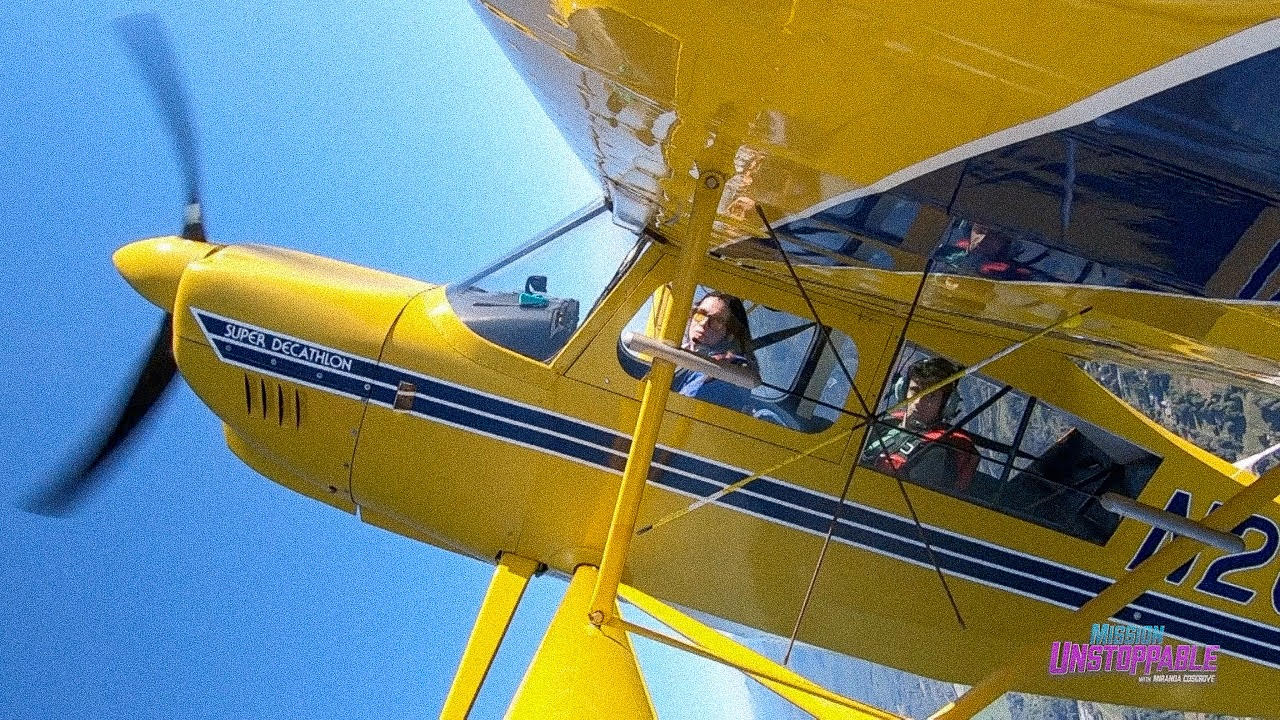
3:30 | KEYNOTE STAGE
Slow Flight Is Slipping Away: Rebuilding the Skills That Save Lives
Cecilia Aragon, ATP / DPE / CFII, MEI, CFI-ASES, CFI-G; Aragon Aviation, Inc.; cecilia-aragon.com
A recent study reveals an uncomfortable truth: many private pilots are quietly losing proficiency in slow flight—the very regime where loss-of-control accidents kill. Infrequent flying, limited maneuver practice, and a confidence level that doesn't match actual skill have created a hidden erosion in stick-and-rudder fundamentals. The standard answer is "practice more slow flight," but that rarely happens, and when it does, it's often rushed, uncomfortable, and quickly forgotten. This session proposes a different solution: aerobatic training and tailwheel flying. Aerobatics teaches you to live at the edges of the envelope—to feel the airplane communicate through buffet, control pressure, and energy state—until slow flight feels like home rather than a hazard. Tailwheel flying demands precise coordination and airspeed control on every single landing, building reflexes that transfer directly to any aircraft. Together, they don't just restore slow-flight proficiency; they transform your relationship with the slow end of the airspeed indicator. If you suspect your skills have quietly atrophied (or you're an instructor watching it happen to your pilots) this talk offers a path back to genuine confidence built on genuine competence.

Cecilia Aragon combines her passions for flying and teaching as a CFI specializing in aerobatic training, an FAASTeam Representative, and a newly designated Pilot Examiner for the Seattle FSDO. After learning to fly in her twenties, she went on to compete in aerobatics and earned a spot on the United States Aerobatic Team. Her experience includes over 6,500 flight hours, with more than 3,300 hours as a CFI. Beyond aviation, Aragon is a Professor at the University of Washington and former NASA researcher focusing on data science.. Her book Flying Free shares her journey from nervous student pilot to aerobatic instructor, including her experiences helping other pilots develop their skills in upset recovery, spin training, and aerobatic flight.
3:30 | Founders Room
The Future of Unleaded Fuel
George Braly, Head of Engineering, General Aviation Modifications, Inc. (GAMI) | Maintenance seminar open to all attendees, registration required for certification.
3:30 | South Foyer
How to Get Elephants Off of Your Air Hose – FAA Medical Certification
Proven Shortcuts & Practical Tips to Accelerate FAA Medical Certification
Dave Hale, Pilot Medical Solutions, Inc - LeftSeat.com
Navigating the FAA medical certification process can feel overwhelming, especially when unexpected medical issues bring progress to a halt. In this session, David Hale demystifies the FAA medical certification system and explains common pitfalls that delay approvals. Attendees will learn practical, proven strategies to streamline applications, avoid unnecessary deferrals, and effectively manage complex medical histories. Drawing on real-world case experience, this presentation focuses on understanding how FAA Aerospace Medicine evaluates cases—and how pilots can proactively remove the “elephants” blocking their air hose. David Hale brings more than 30 years of experience in aerospace medicine to this presentation. A commercial pilot, licensed skydiver, and published author, David has helped thousands of pilots successfully accelerate FAA medical certification. His expertise is trusted by a diverse clientele that includes the world’s largest retailer, prominent A-list actors, and influential CEOs across industries ranging from fashion to energy. His unique perspective combines medical insight with practical aviation experience to deliver actionable guidance pilots can use immediately.
3:30 | North Foyer
Exploring the Fascinating World of Gliding
Brad Pattison, CFI-G/ATP & Glider Pilot
This seminar offers a comprehensive introduction to the captivating realm of gliding and the world of soaring flight. Participants will discover the unique benefits and lower economics associated with learning to fly gliders. The seminar highlights how gliding provides not only practical flight skills but also a distinct set of abilities that set glider pilots apart. These skills foster a deeper connection with flight, combining technical proficiency with a sense of adventure. The session covers the FAA requirements for becoming a glider pilot and the necessary steps and standards that must be met to pursue glider pilot certification. Various types of glider operations will be explored, allowing attendees to understand the different ways in which gliders are flown and operated. This segment covers the diversity within the sport, from recreational soaring to more organized activities including local clubs dedicated to gliding which offer valuable resources for pilots at all levels, from beginners to advanced enthusiasts. Gliding is showcased as a pursuit that merges the art of flight with better meteorological understanding, particularly valuable for power pilots, and which appeals to both the scientific and adventurous spirit.
3:30 | Pioneer Room
The Original “Flying Cowboys”
How backcountry pilots in Idaho, Montana, and Washington created a new way of life
Crista V. Worthy, Author Idaho Aviation book, Editor IAA The Flyline and WSPA Newsletter, Managing Editor Pilot Getaways Magazine, writer Plane & Pilot, Water Flying
Most pilots have heard of Idaho’s legendary backcountry airstrips, but few know who built them, why they were created, or how they survived while so many others across the United States disappeared. In this fast-paced, unscripted slideshow featuring more than 250 historic images, aviation journalist and author Crista Worthy introduces the rugged men and women who carved airstrips out of wilderness and made a living in some of America’s last uncharted places. These backcountry pilots hauled everything their remote communities needed—mail, groceries, supplies, livestock, and more—often pushing the limits of aircraft and environment alike. With extraordinary skill and judgment, they knew exactly how to load their airplanes and precisely how much runway they needed to get in and out safely, in any weather and at any elevation. Their ingenuity and grit didn’t just keep people connected—they built a legacy that still defines backcountry flying today.
3:30 | Heritage Room
Weather Cameras: A critical tool for flight planning
Tom George, Alaska Regional Manager, AOPA
The FAA Weather Camera Program has added a dimension to weather reporting for general aviation. A constellation of cameras located at airports and other key locations, capturing images every ten minutes, is enhancing our ability to assess the weather. Made available at a growing number of locations across the country, this information source should be a part of every pilot’s pre-flight planning routine. This presentation will give an overview of the system, share examples of how it can augment conventional AWOS and ASOS reports, and provide a look at ways the system could be further enhanced to increase aviation safety.
*
4:30 PM
4:30 PM | Founders Room
Tempest Spark Plug Design and Maintenance
Jeff Schans, Director of Sales, Tempest Aero Group
Maintenance seminar open to all attendees, registration required for certification.
4:30 | KEYNOTE STAGE
Practical importance of Weight and Balance
John Swedburg, Big Bend Community College
Airline Transport Pilot (SMEL), Commercial Pilot (SES), Certified Flight Instructor—Airplane/Single- & Multi-Engine/Instrument, Advanced & Instrument Ground Instructor
When learning to fly, pilots are taught how to use charts and calculations to determine weight and balance, yet primary training sources often fall short in explaining why this process is so critical. John Swedburg emphasizes that when pilots don’t understand the “why,” they tend to undervalue the process itself. Drawing on decades of instructional experience, this presentation connects theory to real-world operational safety. John Swedburg has been an active flight instructor since 1974 and retired in 2014 from full-time instruction at the commercial pilot training program at Big Bend Community College. He continues to share his passion for aviation through education events, including managing and presenting annually at the Northwest Aviation Career Forum. John holds an ATP (SMEL), Commercial Pilot (SES), CFI-A/SME/I, Advanced and Instrument Ground Instructor certificates, and a Part 107 Remote Pilot certificate. He has provided more than 16,000 hours of flight instruction, taught in 58 FIRCs in the Seattle area, and served in roles including Chief Flight Instructor, Aviation Division Chairman, Airman Certification Representative, Aviation Safety Counselor, and FAASTeam Representative.
4:30 | Heritage Room
Elevating Your Airmanship
Kurt Kleiner, Commercial Pilot (ASEL/ASES/AMEL/Glider), Certified Flight Instructor, FAASTeam Representative
No pilot should ever feel stale or bored doing the same routine kind of flying without new challenges or variety. Although originally designed for newer pilots, this presentation has been modified to describe several intentional fun exercises that any experienced pilot can practice - either with a CFI, a buddy, or on your own. There are unlimited possibilities for us all to find the motivation to develop new skills and become more disciplined, proficient, and professional as aviators. This session offers many suggestions that could put that magic “spice” back into your flying. Kurt Kleiner earned his pilot certificate in 1988 and holds Commercial certificates in ASEL, ASES, AMEL, and Gliders. An active CFI, he has logged over 4,800 hours, primarily providing dual instruction. He retired in 2019 after a 30-year career as an Interagency Fire Aviation Manager with the BLM and U.S. Forest Service, specializing in aviation operations, logistics, and safety risk management. Kurt continues to support wildfire aviation as an Interagency Fire Airspace Coordinator and former fire detection and reconnaissance pilot, and has served as an FAASTeam Representative for more than 20 years.
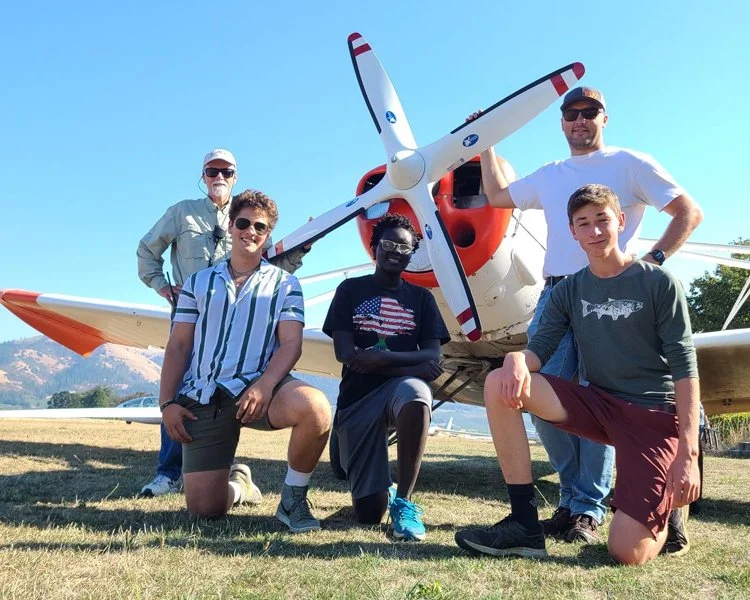
4:30 | South Foyer
Solo at 14! Soaring: an early and economical gateway to a life in aviation
Brian Hart, AGI and CFIG. and Jonathan Hart, CFI, CFII, CFIG and AMT Airframe, Hood River Soaring
Father and son team Brian and Jonathan Hart are glider instructors. At Brian’s recommendation, Jonathan began glider training and soloed at age 14, then passed his glider checkride on his 16th birthday. The skills and command of the cockpit learned this early in the glider led to his successful powered checkride on his 17th birthday. He began towing gliders in the Pawnee the next day and passed his instrument checkride 10 days later. At age 19, he has over 1300 hours and is president and chief tow pilot of Hood River Soaring. He is an active CFI, CFII, and CFIG with an AMT Airframe certificate, soon to finish Powerplant. Brian followed Jonathan’s path through glider training to become an AGI & CFIG. He is now youth director & chief instructor at Hood River Soaring. Brian and Jonathan will introduce other young soaring pilots who will share their own experiences and passion for soaring far and high while showing you how soaring can be a powerful and fun gateway to your personal and career aviation goals.

SUNDAY:
10:15 AM
10:15 | KEYNOTE STAGE
How to Prepare for a Successful Flight Review
Stephen (Steve) Bateman, CFI. Chocks Away Aviation, LLC.
Flight reviews are essential to ongoing pilot proficiency and safety—but too often they’re treated as a regulatory checkbox rather than a meaningful learning opportunity. In this seminar, Steve Bateman draws on decades of experience as a certified flight instructor, FAASTeam Lead Safety Representative, and aviation educator to examine the good, the bad, and the ugly when it comes to preparing for your flight review. Through real-world examples, this session highlights how thoughtful preparation enhances knowledge, risk management, and practical flying skills—and why skipping this step leads to avoidable pitfalls. Steve will guide attendees through proven strategies for effective flight review preparation, with an emphasis on scenario-based training that goes beyond simply “plan the flight and fly the plan.” Whether you’re approaching your next review or conducting reviews as an instructor, you’ll leave with actionable insights to make the experience safer, more productive, and truly valuable.
10:15 AM | Founders
Fuel Level Accuracy in General Aviation “Why ‘close enough' fails”
Daniel Alm, Cies Corp | maintenance seminar open to all attendees, registration required for certification.
10:15 | South Foyer
Introduction to Aviation Careers
John Swedburg, Big Bend
An engaging journey for students, parents and “new to aviation” participants through an overview of how to get from point A to point B,C, D - no matter what your aviation dreams are! Hear first hand from folks involved in the industry and learn their “how I got there” stories. Attendees will leave this session with many questions answered and many more to ask. This session will give the resources to seek the right answers to design a path that is best for your goals. (career)
10:15| Pioneer Room
Mosaic Light Sport Update
Joe Mollohan, FAASTEAM Program Manager
The FAA’s Modernization of Special Airworthiness Certification (MOSAIC) represents a significant evolution of the Light-Sport aircraft framework, expanding opportunities for innovation while maintaining a strong focus on safety. This presentation provides an overview of the proposed MOSAIC changes, including updates to aircraft eligibility, pilot privileges, and certification pathways. Attendees will gain insight into the intent of the rulemaking, its anticipated impact on the aviation community, and what stakeholders can expect as the FAA moves toward implementation.
10:15| Heritage Room
Pilot VFR Flying Refresher Workshop Curt Scott, Scott Consulting/Scott Aviation, pilot,
Feeling like your flying skills could use a refresher? Veteran pilot, Curt Scott will help you brush off the dust! With over 5000 hours teaching flying and flying in the Northwest, Curt’s fast-paced dynamic presentation on VFR flying basics covers weather, charts, airport approach, landing, checklists and much more to make you a more confident pilot. Scott has 30 plus years working in Aviation, with special focus on developing and delivering education programs covering Operations, Logistics, Planning, Reorganization and Training. Limited seating in this VFR Pilot refresher clinic. There is no additional charge to attend but we encourage you to register online.
11:30 AM
11:30 | KEYNOTE STAGE
Using Flight Analysis Tools to Improve Your Flying Skills
Bruce Williams, aviation author, CFII, FAASTeam, BruceAir, LLC
The advanced avionics in our panels and our EFBs can do more than help us plan and complete flights. New features and web-based services can provide detailed analyses of every flight, much like the flight data recorders installed in airliners and business jets. Learn about how to use these tools to help you track your performance from takeoff to touchdown and improve your flying skills.
11:30 AM | Room C | Founders
General Aviation Muffler Systems, An “Exhaustive” Overview:
Jim Shafer, Power Flow Systems, Inc
We will explain the design, construction, and best practices for the maintenance and repair of traditional aircraft exhaust systems. We will also discuss the theory and design concepts of tuned exhaust systems for general aviation aircraft and how they can benefit both four and six cylinder aircraft engines equipped with either fixed pitch or constant speed propellers.
11:30 | North Foyer
Exploring the Fascinating World of Gliding
Brad Pattison, CFI-G/ATP & Glider Pilot
This seminar offers a comprehensive introduction to the captivating realm of gliding and the world of soaring flight. Participants will discover the unique benefits and lower economics associated with learning to fly gliders. The seminar highlights how gliding provides not only practical flight skills but also a distinct set of abilities that set glider pilots apart. These skills foster a deeper connection with flight, combining technical proficiency with a sense of adventure. The session covers the FAA requirements for becoming a glider pilot and the necessary steps and standards that must be met to pursue glider pilot certification.
Various types of glider operations will be explored, allowing attendees to understand the different ways in which gliders are flown and operated. This segment covers the diversity within the sport, from recreational soaring to more organized activities including local clubs dedicated to gliding which offer valuable resources for pilots at all levels, from beginners to advanced enthusiasts. Gliding is showcased as a pursuit that merges the art of flight with better meteorological understanding, particularly valuable for power pilots, and which appeals to both the scientific and adventurous spirit.
11:30 | Pioneer Room
Stayin’ Alive: Accident Case Studies
Philip Mandel, speaker, commercial, instrument, CFI
Philip will review some real-world incidents and accidents -- cases that were likely preventable by the pilots themselves. From takeoffs to enroute cruise, landings, and go-arounds, these case studies will challenge your thinking and sharpen your decision-making. Enjoy an engaging discussion of video clips and accident reports so you can make your own flying even safer.
1:00 PM
1:00 | KEYNOTE STAGE
Dancing with Gravity: Essential Spin Training Skills
Cecilia Aragon, ATP / DPE / CFII, MEI, CFI-ASES, CFI-G; Aragon Aviation, Inc.; cecilia-aragon.com
This presentation explores the critical elements of aircraft spin training, combining aerodynamic theory with practical recovery techniques. We'll examine the physics behind spin development, including the roles of yaw, angle of attack, and asymmetric lift distribution. Participants will learn to identify the four stages of a spin and understand the differences between incipient, accelerated, and flat spins. Through analysis of case studies, we'll demonstrate proven recovery methods and common pitfalls to avoid. Special emphasis will be placed on recognition and prevention strategies, ensuring pilots develop both the knowledge and confidence to handle these challenging flight regimes safely. Cecilia Aragon combines her passions for flying and teaching as a CFI specializing in aerobatic training, an FAASTeam Representative, and a newly designated Pilot Examiner for the Seattle FSDO. After learning to fly in her twenties, she went on to compete in aerobatics and earned a spot on the United States Aerobatic Team. Her experience includes over 6,500 flight hours, with more than 3,300 hours as a CFI. Beyond aviation, Aragon is a Professor at the University of Washington and former NASA researcher focusing on data science.. Her book Flying Free shares her journey from nervous student pilot to aerobatic instructor, including her experiences helping other pilots develop their skills in upset recovery, spin training, and aerobatic flight.
1:00 | Founders Room
100 Years of Airmail, Airlines, and Commercial Aviation
Crista V. Worthy, Author Idaho Aviation book, Editor IAA The Flyline and WSPA Newsletter, Managing Editor Pilot Getaways Magazine, writer Plane & Pilot, Water Flying
How a Washington backcountry pilot—and the U.S. Congress—launched America’s airline industry
Even today, the airline business is challenging. A century ago, it was nearly impossible. No private companies had the capital or infrastructure to sustain commercial aviation on their own. In this fast-paced, unscripted slideshow featuring more than 250 historic images, aviation journalist and author Crista Worthy traces how commercial aviation took root in the United States exactly 100 years ago. Pioneering pilots such as Washington’s own Nick Mamer honed their skills in World War I and in the rugged Northwest backcountry, flying small aircraft and eking out a living wherever opportunity existed. Everything changed when the U.S. Congress passed landmark legislation authorizing commercial contracts to carry U.S. Air Mail. That steady revenue stream allowed the nation’s first airlines to take root, survive, and expand—giving rise to companies such as United Airlines and Northwest Airlines, and fueling a century of American aviation innovation. From Johnson Flying Service to Zimmerly Airlines, backcountry pilots based in Washington, Idaho, and Montana proved to be critical links in the chain that built the modern airline industry.
1:00 | North Foyer Flight Testing Your Home Built/Kit Airplane
Mike “Cuckoo” Kloch, Chief Instructor Pilot, Specialized Aero Works
Learn how to properly plan for, reduce risk, and conduct the first flight, and beyond, of a home built airplane. Mike is the CEO and Chief Instructor Pilot for Specialized Aero Works, where he teaches UPRT, aerobatics, formations flying, and more. He is a contract test pilot and instructor for Stratos Aircraft, Epic Aircraft, and individual builders. Mike is a 3-time Master CFI - Aerobatic (MCFI-A), a former Marine Corps F/A-18 pilot, combat veteran, and school trained Aviation Safety Officer (Naval Postgraduate School). He is also an FAA Safety Team (FAAST) Representative.
1:00 | Pioneer Room
Flight Operations in Mountain Wave
Kurt Kleiner, Commercial Pilot (ASEL/ASES/AMEL/Glider), Certified Flight Instructor, FAASTeam Representative
In this session, Kurt will take an in-depth look at the conditions necessary for wave to form, the different types of mountain wave, and where to find indicators of mountain wave in common weather reports and forecasts. We will discuss how GA pilots can recognize and avoid specific hazards found in certain parts of the wave structure, and where we can find the smooth air and beneficial lift. The presenter is a Commercial airplane and sailplane pilot and CFI who will share his insight and experience from flying in wave and describe some lessons learned.
2:30 PM
2:30 | Heritage Room
Practical importance of Weight and Balance
John Swedburg, Big Bend Community College
When learning to fly, we are taught how to work the charts and the math to figure the weight and balance, but there is far too little information in the primary sources as to why this is important. John emphasizes “when we don’t understand the ‘why’, we then tend to devalue the need for the process
2:30 | North Foyer
Solo at 14! Soaring: an early and economical gateway to a life in aviation
Brian Hart, AGI and CFIG. and Jonathan Hart, CFI, CFII, CFIG and AMT Airframe, Hood River Soaring
Father and son team Brian and Jonathan Hart are glider instructors. At Brian’s recommendation, Jonathan began glider training and soloed at age 14, then passed his glider checkride on his 16th birthday. The skills and command of the cockpit learned this early in the glider led to his successful powered checkride on his 17th birthday. He began towing gliders in the Pawnee the next day and passed his instrument checkride 10 days later. At age 19, he has over 1300 hours and is president and chief tow pilot of Hood River Soaring. He is an active CFI, CFII, and CFIG with an AMT Airframe certificate, soon to finish Powerplant. Brian followed Jonathan’s path through glider training to become an AGI & CFIG. He is now youth director & chief instructor at Hood River Soaring. Brian and Jonathan will introduce other young soaring pilots who will share their own experiences and passion for soaring far and high while showing you how soaring can be a powerful and fun gateway to your personal and career aviation goals.
2:30 | Keynote Area
Weather Cameras: A critical tool for flight planning
Tom George, Alaska Regional Manager, AOPA
The FAA Weather Camera Program has added a dimension to weather reporting for general aviation. A constellation of cameras located at airports and other key locations, capturing images every ten minutes, is enhancing our ability to assess the weather. Made available at a growing number of locations across the country, this information source should be a part of every pilot’s pre-flight planning routine. This presentation will give an overview of the system, share examples of how it can augment conventional AWOS and ASOS reports, and provide a look at ways the system could be further enhanced to increase aviation safety.
2:30 | Pioneer Room
Puget Sound Aerospace and Deviation Hotspots
Tom Rogers, CFI, FAA Safety Team representative
Examine common altitude, airspace, and procedural deviations in the Puget Sound region.
The details
Driving Directions 110 9th Avenue SW Puyallup, WA 98371-0162 | Blue Gate
Hours
SAT, FEB 21, 9AM - -5:30 PM
SUN FEB 22, 10AM - 4PM
Admission $10/door | two day advance pass $15/person